
Wheel Alignment & Balance

Your Wheels need to be Aligned if...
Your Wheels need to be Balanced if...



What is a Wheel Alignment?
A wheel alignment, a.k.a. tire alignment, is the adjustment of a car's steering and suspension. A alignment deals with the connection between the tires/wheels and the vehicle. The main purpose is to keep your vehicle from veering left or right, to improve its handling, and stop some unusual on the road vibrations.
Follow your vehicle manufacturer's recommendations as noted in your owner's manual, but as a general rule of thumb, your vehicle's alignment should be checked once per year.

What Occurs During a Wheel Alignment?
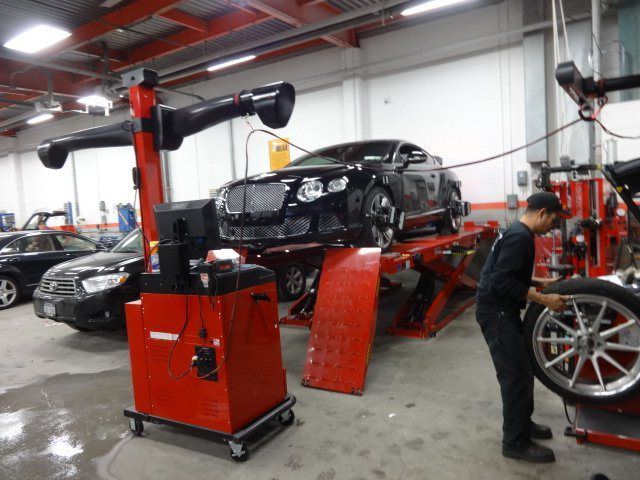
Four precision cameras are used to measure the position and orientation of targets mounted on each wheel of your car. The aligner uses this information to calculate your car's current alignment measurements and then compares them to the car manufacturer's alignment specifications.
If your car's wheel alignment is outside of factory specifications, the aligner provides the technicians with the exact information needed to make the proper adjustments.
What is a Wheel Balance?
A wheel balance, a.k.a. tire balance, corrects uneven weight distribution in the wheels/tires by strategically attaching small metal weights to them. No tire is perfectly round or exactly the same, meaning that as they are driven on, they will eventually need to be balanced. Damage from potholes, curbs, or a rough road can make these differences more dramatic. The purpose of having your wheels balanced is not just to improve your driving experience, but to prevent the imbalance from getting to a point where it impacts other systems in the car, such as the suspension.
Follow your vehicle's manufacturer specifications as noted in your owner's manual, but as a rule of thumb, have your tires checked every 10,000 miles or at least once per year.

What Occurs During a Wheel Balance?
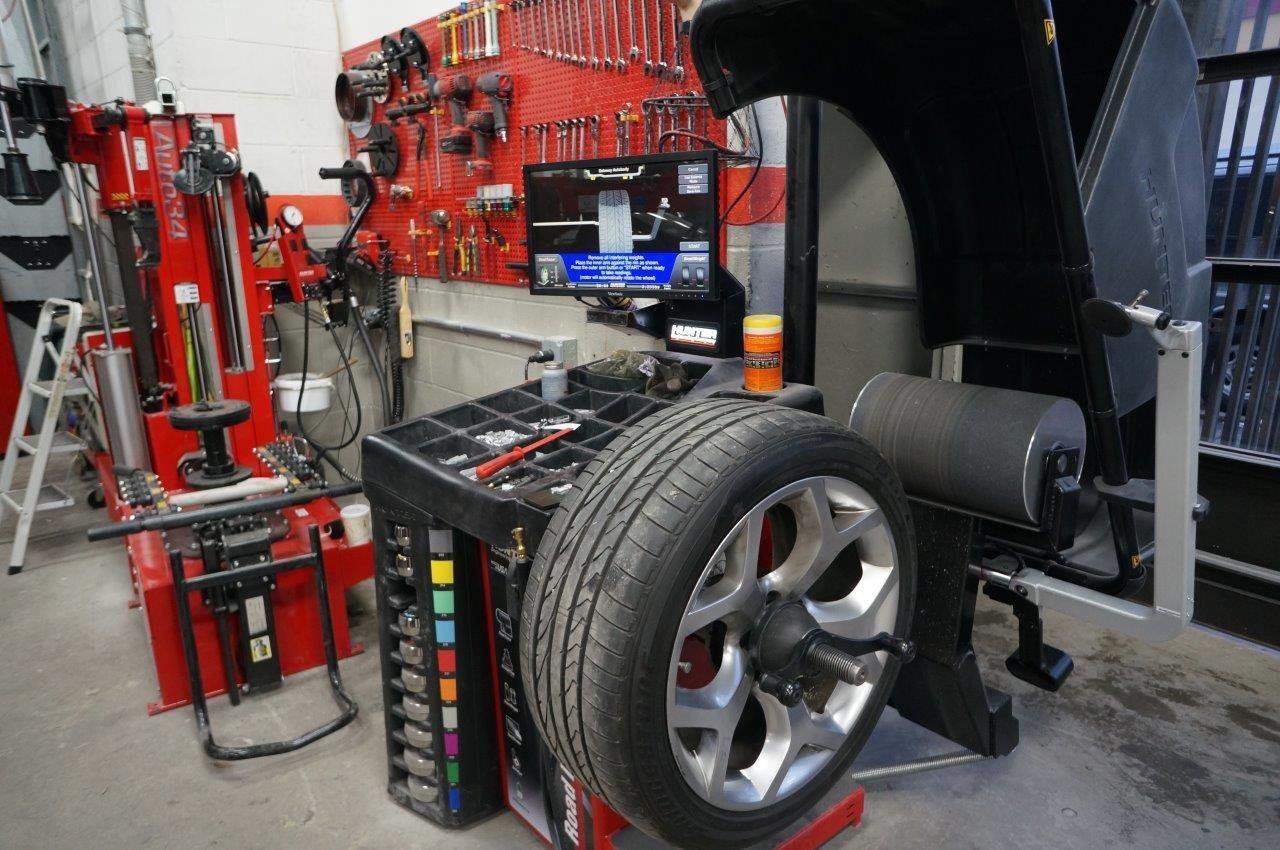
Your vehicle's tire and wheel assembly will be mounted onto a tire balancing machine, which then spins it to measure any imbalance.
If a technician determines that any of the wheels are imbalanced, they will strategically install small metal weights to it. This will eliminate any "up and down" or "side to side" imbalances, while accommodating the vibration sensitivity of today's vehicles.
What are the Benefits of Ensuring that your Wheels are Aligned and Balanced?
Reduced Tire Wear
Better Gas Mileage